Concrete parking lot building in Berkeley CA - a lot built for what drives on it
Cracked, sinking pavement or a dirt lot that turns to puddles? We build concrete parking sized for your traffic and graded to drain.
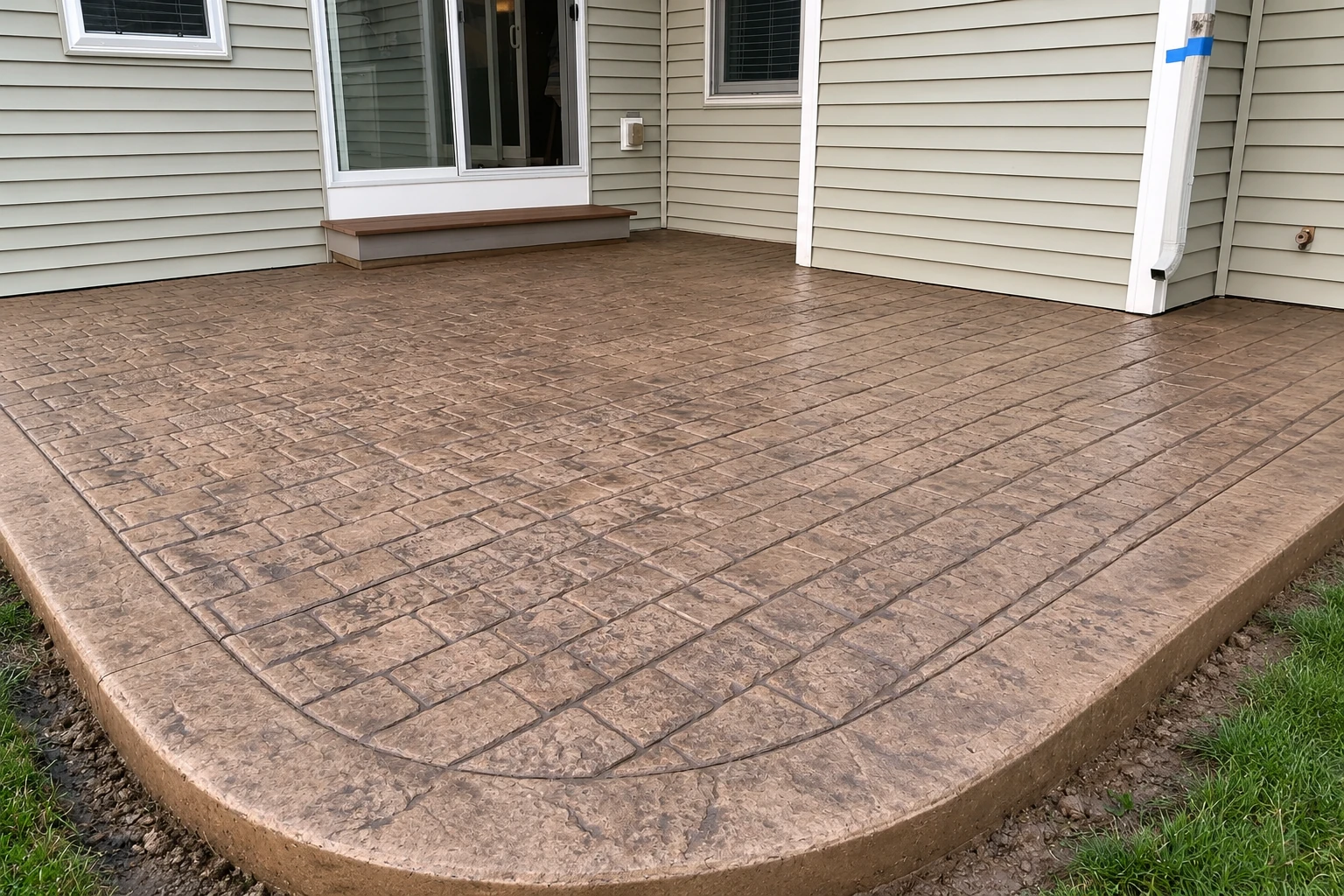
Thickness for your traffic
We size the slab for cars, trucks and deliveries.
A packed, even base
The ground is dug out and packed before any pour.
Planned joint lines
We cut joints so cracks form in lines we chose.
Permits sorted with you
We file the paperwork and meet the inspector when it's time.
What does building a concrete parking lot in Berkeley involve?
Concrete parking lot building in Berkeley, CA means laying a concrete pavement thick enough for the cars and trucks that will use it, on ground that's dug out, packed and graded to drain. Plan around two waits, the city's review before the pour and the curing after it.
What drives over the lot shapes how it's built, so I ask about cars, delivery trucks and heavier loads before we plan. Then we dig out the old surface, pack the subgrade, the ground the slab sits on, form and pour, and cut control joints, shallow cuts that give cracks a straight place to form. California's licensing rules put this pavement work under the C-8 concrete contractor classification.
The price moves with the lot's size, the thickness your traffic calls for, whether it needs rebar, steel laid inside to help hold it together, how much digging the ground takes and whether old paving has to come out. The schedule turns on city review before the pour and the curing wait after it. Your written estimate spells out what's included.
- A slab thickness set by your traffic
- Ground packed even before the pour
- Water sent away from your building
- Cracks guided into planned joint lines
How do you know your parking lot needs replacing?
It's worth a look when the lot you have keeps costing you repairs, puddles or complaints, or when what parks on it has changed.
Cracks that keep spreading
Cracks that wander across the lot and widen each winter usually mean the ground underneath moved, not just the surface.
Sunken or tilted sections
When sections drop or tip at the edges, the base under them likely settled along with the dirt it was laid on.
Puddles that sit after rain
Water that stands for days, or runs toward a door, points to a lot that was graded the wrong way.
Asphalt patched again and again
If the asphalt gets patched over and over, it's worth weighing a surface built to go longer between replacements.
Heavier trucks than before
A lot poured for cars starts to break up once delivery trucks or bigger loads begin using it every day.
Gravel or dirt that won't behave
A gravel or dirt lot that ruts, turns to mud in the rain and tracks dirt indoors is ready for pavement.
Request your parking lot estimate
Tell us the lot's rough size and what drives on it. We reply within one business day, and I come out for a free, no-obligation estimate.
What I check on a parking lot visit
Before I recommend a thickness or a price, I walk the lot and look at what drives on it, what's under it and where the water goes.
What uses the lot
I ask how many cars park there, whether delivery or garbage trucks come in and what else is heavier, since that sets the thickness.
The ground underneath
We dig into soft, wet or filled spots, because those are usually where an old lot sank first.
Where the water runs
A lot that tilts toward a building sends rain at its foundation, so I check the grade first. We also handle foundation raising if it's settled.
Edges, access and add-ons
I look at how trucks get in and out and whether curbs, light poles or a carport need concrete footings poured with the lot.
How a parking lot job runs
We plan the work around how you use the lot and help you work out other parking, so tenants, customers and deliveries know when it's closed.
Call or send a request
Call (341) 209-8254 or use the form, and we'll set a time for me to come see the lot.
I walk the site
I come out myself, measure the lot, check the ground and drainage, and listen to how you use the space.
Your written estimate
You get the work written out, thickness, prep and joints included, so you can see exactly what you're paying for.
Permits, prep and pour
We sort out permits with your city or county office first, then our crew digs out, packs the base, forms and pours.
Curing and walk-through
I walk the finished lot with you and explain curing, the time the slab needs to gain strength, and when it can open.
Why Berkeley property owners call Heartland Berkeley Concrete Company for parking lots
I started this business in Berkeley in 2023 after summers on concrete crews, and I still explain the why behind each step so you can ask good questions of anyone.
The estimate comes from me
I come out to look at your lot and write the estimate myself, so the person pricing it is the one who saw it.
Our crew, run by me
Our own crew does the work and I'm on site running it, so the plan we talked through is the plan that gets poured.
Licensed and insured
We're licensed and insured, and I'm glad to go over that with you before you sign anything.
The base before the finish
On a tight budget, I'll cut finish extras before base work, since no surface stays flat on settling dirt. Call (341) 209-8254 to talk it over.
Concrete parking lot building in Berkeley and nearby cities
In Berkeley, permits come from the city's Permit Service Center. Its list names new structures, new uses and curb changes but not parking lots, so ask there what your lot needs. The city starts development projects with zoning review, then the building permit and inspections, and its parking design rules cap pad slopes at 2 percent unless the city's traffic engineer approves otherwise.
An older city overview also calls for a stormwater checklist with zoning approval when a project creates or replaces at least 2,500 square feet of hard surface. We find out what applies, file the paperwork and meet the inspector, here and across the East Bay, from Oakland to Richmond, where we see the same tight lots behind apartments and shops.
Have a lot in Berkeley or nearby that needs replacing?
(341) 209-8254Parking lot questions we hear
How thick should a concrete parking lot be?
For passenger cars and pickups only, trade guidance says 4 inches of concrete without steel is usually enough. Light trucks and heavier commercial traffic may need 5 or 6 inches, and the right number also depends on the ground underneath and the strength of the concrete. That's why I ask what will use your lot before I put a thickness on the estimate.
How much does a concrete parking lot cost in the Bay Area?
A concrete slab or pad in the Bay Area usually costs about $8 to $16 per square foot, so treat that as a starting range for slab work, not a price for your lot. Reinforced slabs, the ones with steel inside, run higher than plain pads, and thickness, digging and old paving removal move the price too. Have your lot's rough size and the vehicles that use it ready, and the written estimate gives you your own figure.
How long does a concrete parking lot last compared with asphalt?
One supplier's rule of thumb is that concrete can last 30 to 50 years before it needs replacing, and asphalt 10 to 20. Real life depends on the materials, the weather and the wear, so use those spans as rough guides when you compare the two. On our side, it's satisfaction guaranteed on every job.
How long does a new concrete parking lot need before cars can park on it?
Trade guidance is to keep cars off a new concrete lot for 3 days and trucks off for 7, unless tests on the concrete say otherwise. The slab is still gaining strength in that stretch, and loading it early can crack it. That's the window we plan your other parking and deliveries around.
What causes a new concrete parking lot to crack?
Most cracks we see trace back to a base that was raked level instead of dug out and packed, water running where nobody checked, a pour in midday heat, or joints cut late or skipped. Concrete shrinks as it cures, so some cracking is normal, and the control joints give those cracks a straight line to follow. We put our effort into the base, the drainage and the pour timing, so cracks stay small and land where we planned.
What is the best way to prepare the ground for a concrete parking lot?
Trade guidance says a concrete parking lot doesn't need a special layer under it, but the ground has to be uniform in soil type, moisture and packing all the way across. So we dig out soft or mixed spots, bring in fill where it's needed and pack it evenly before any forms go up. It's the part you can't see once the lot is poured, and it's the part I care about most.
Ask Heartland Berkeley Concrete about your lot
City review comes before the pour, so the sooner I see your lot, the sooner we can find out what your project needs.